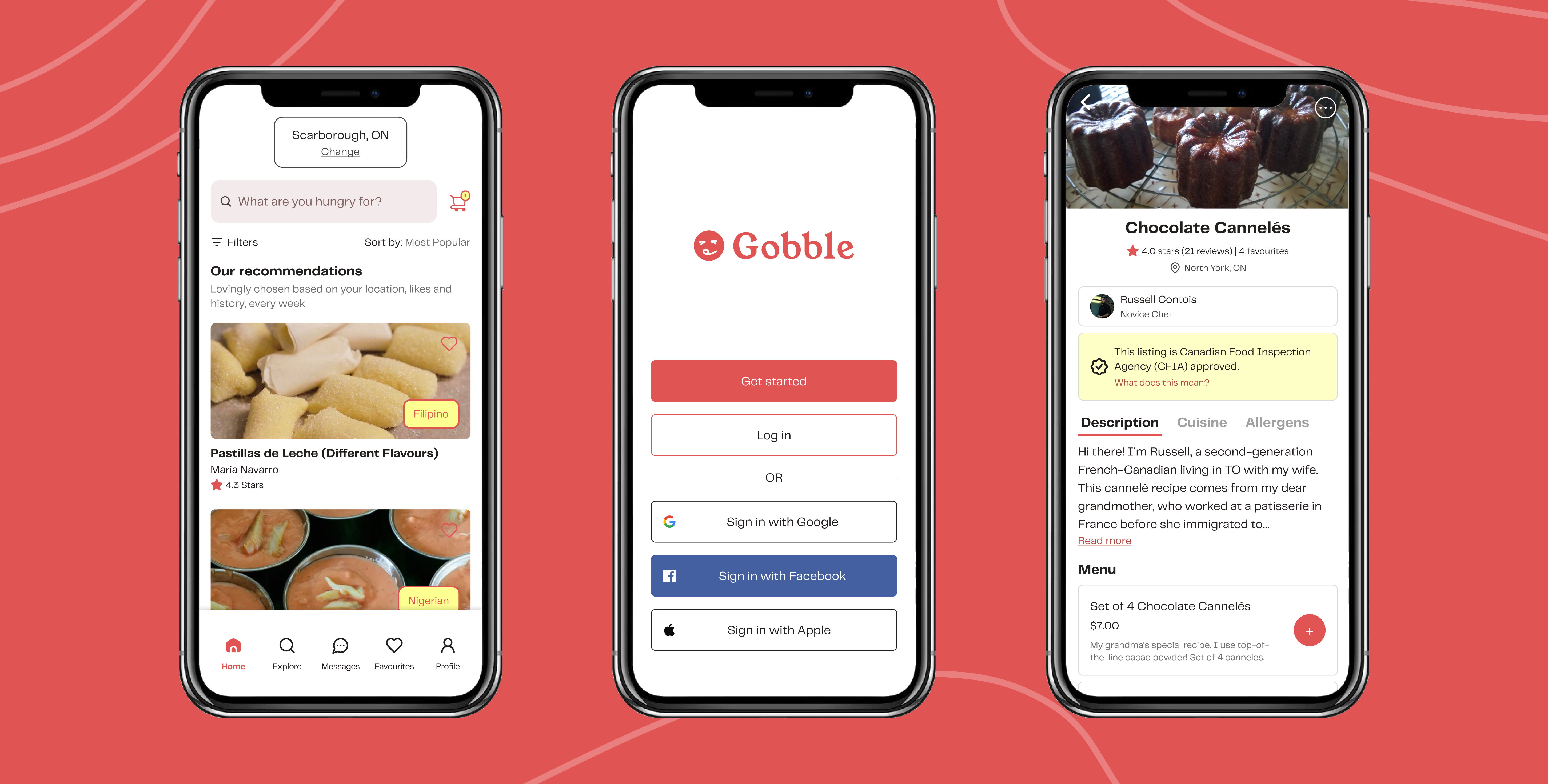
Gobble is a mobile app concept that serves as a marketplace for homemade dishes, desserts and other edible fare. It aims to provide cooks in the community with an avenue to sell their food to others in their city, in one centralized place, whilst providing users the opportunity to purchase cultural, homemade dishes that may not be available nearby.
Research
Ideation
Lo-fi Design
Hi-fi Design
Prototyping
Figma
Solo!
Homemade foods do not have a centralized marketplace where they’re sold. They lose out on a lot of their customer base because they don’t get exposure.
How can we give home chefs the channel they need so consumers who are interested in purchasing their products can find them?
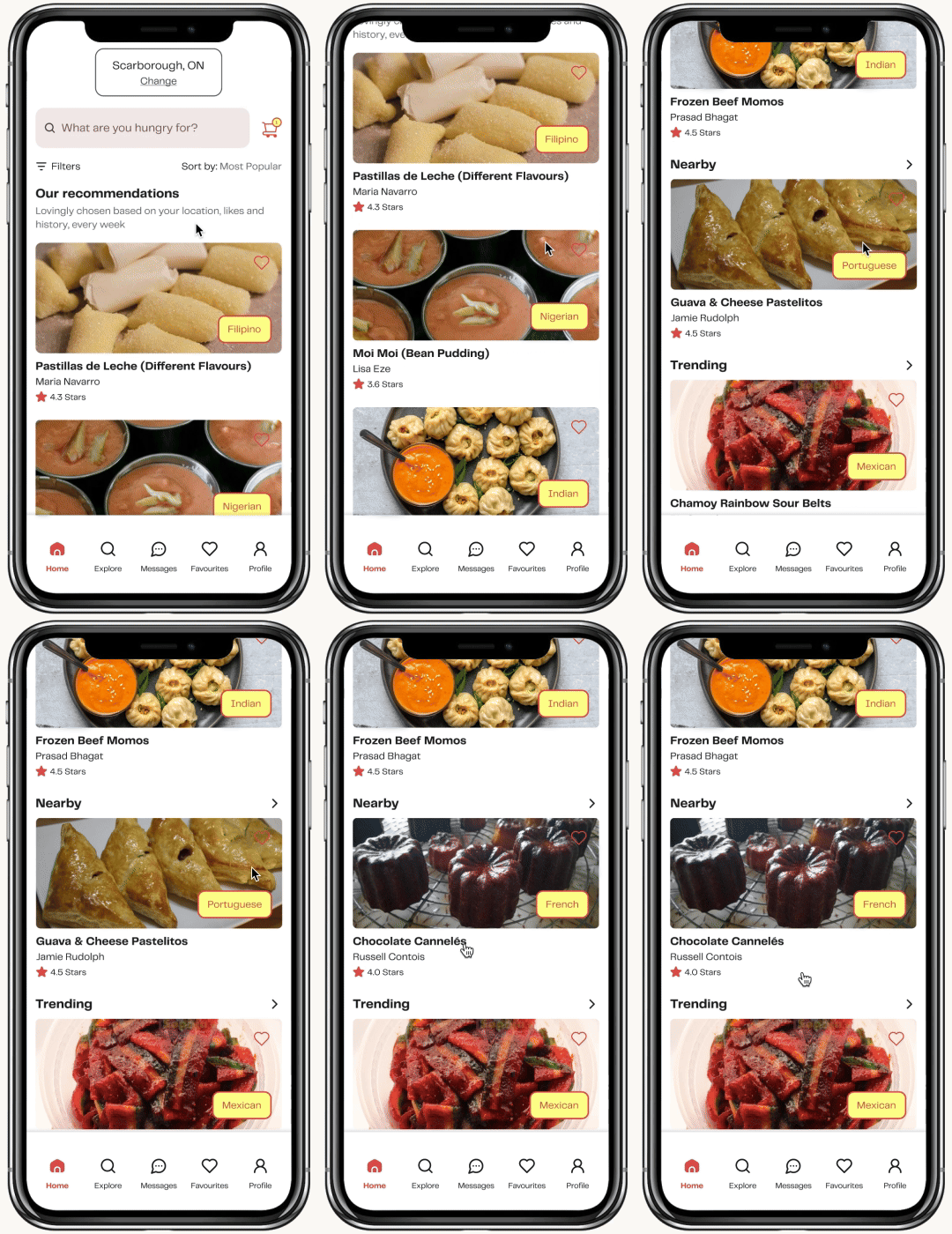
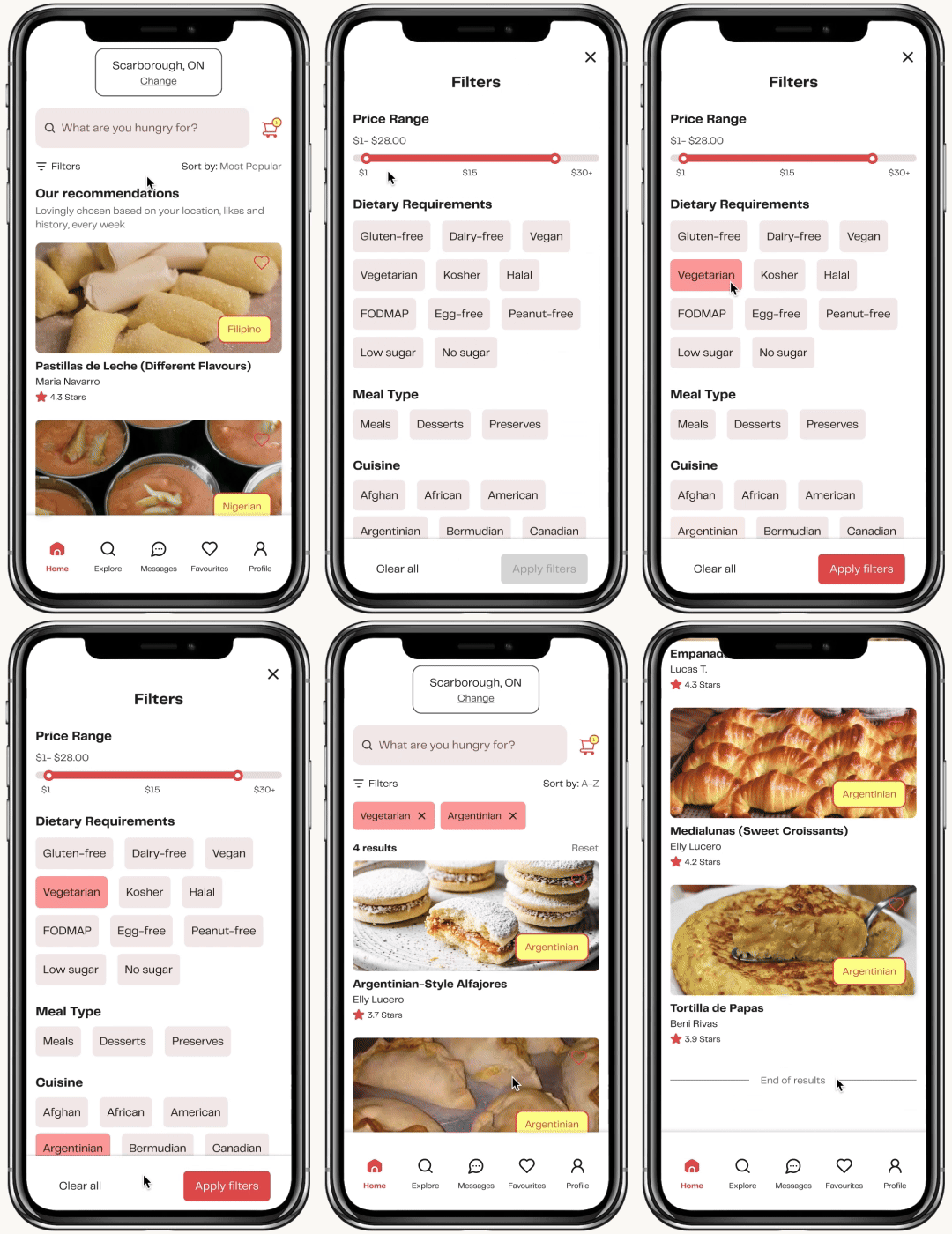
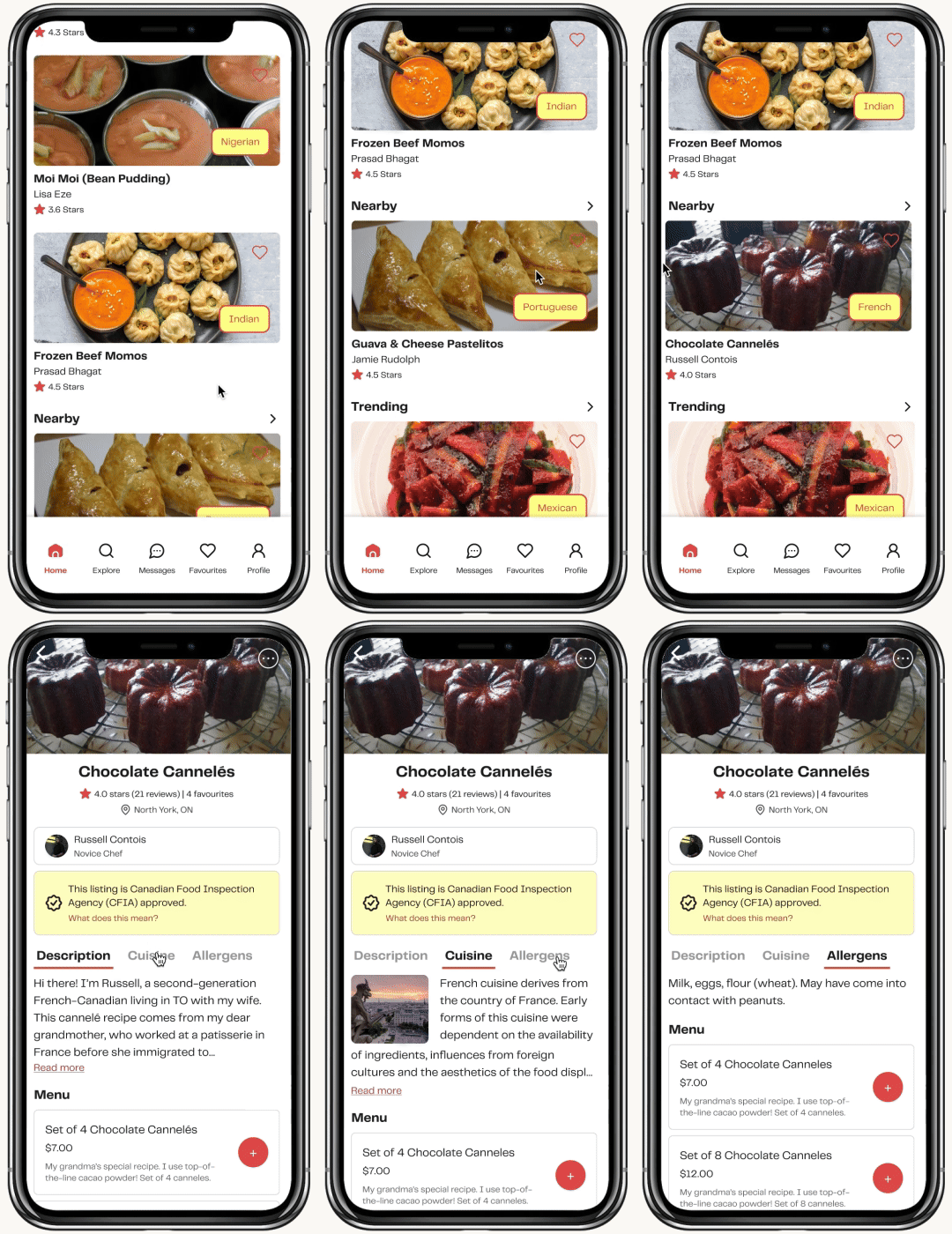
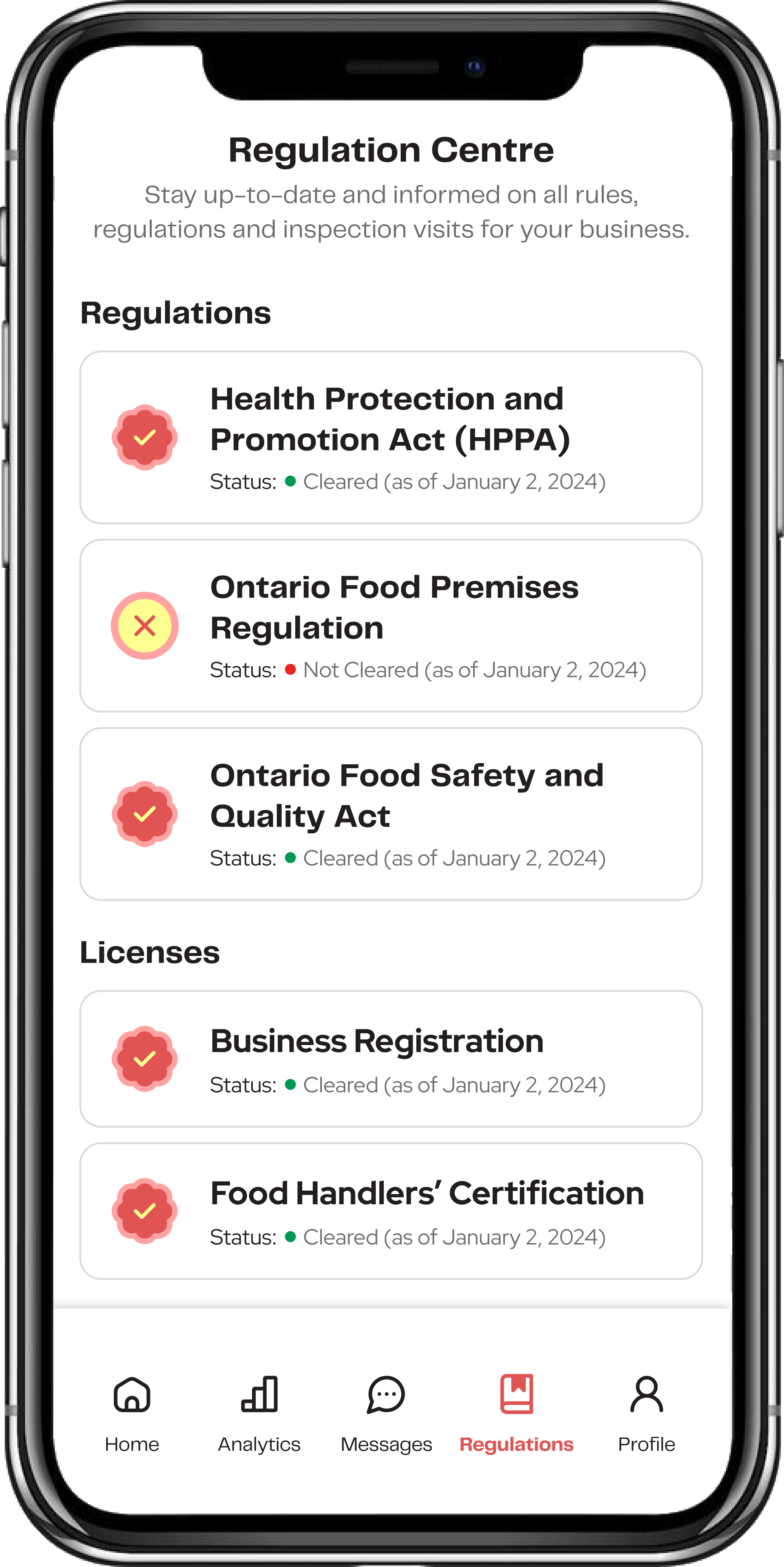
I wanted to gain an understanding of the landscape from the seller’s side; I knew there were strict regulations and rules to follow in order to operate a home-based food business, but to fully grasp the barriers of entry, I conducted secondary research.

People who own independent food businesses in Ontario are subject to several regulations under the Health Protection and Promotion Act (HPPA) and Food Premises Regulation.

In the case of high-risk foods such as products that require refrigeration (i.e. meat), home-based businesses must adhere to stricter rules.

Due to the COVID-19 pandemic, Ontario relaxed its laws regarding home-based food businesses, specifically with low-risk foods: items like chocolate, granola, coffee beans and most baked goods, aren’t subject to some of the regulations that high-risk foods are.
I aimed to learn more about the buyer side through these interviews, so I interviewed seven individuals who 1) have purchased homemade goods from an independent seller, or 2) have an interest in doing so. I formatted these questions into three stages:
Demographics
Home-Based Food Businesses (e.g. Do you buy from them? How often? What site do you use for this? What pain points do you have regarding them?)
Food Preferences (if you were to buy homemade food…)
Individuals who tended to find and purchase off Facebook Marketplace were older individuals (40-65 years-old). Younger individuals found small businesses advertised by their friends on Instagram (18-30 years-old).
All interviewees stated that the main draws of their purchases are if something looked “delicious” to them and they had a previous history with this food (familiarity). Older individuals tended to purchase foods consistent with their cultural background.
The main concern of the interviewees was food safety, followed by price. They were worried about if the foods were being prepared in a sanitary way, or being stored properly before they picked it up. Secondarily, they were hesitant about prices; some interviewees stated that they would ordinarily purchase cookies at a grocery store VS. an independent seller.
The concept changed shape from what I originally envisioned. Some businesses would want to stay hidden due to the regulatory constraints, and would not want to advertise to the wider community out of fear of being shut down.
Conversely, how can I make an app that would help chefs who do want to sell to a larger audience, in a way that helps them understand and pass all the Ontario food regulations? How would scalability work?
It was very important for me that this application was useful for sellers and buyers alike. Skimming the surface of seller issues, I wanted to dive deeper into the mindsets of Gobble’s user groups.
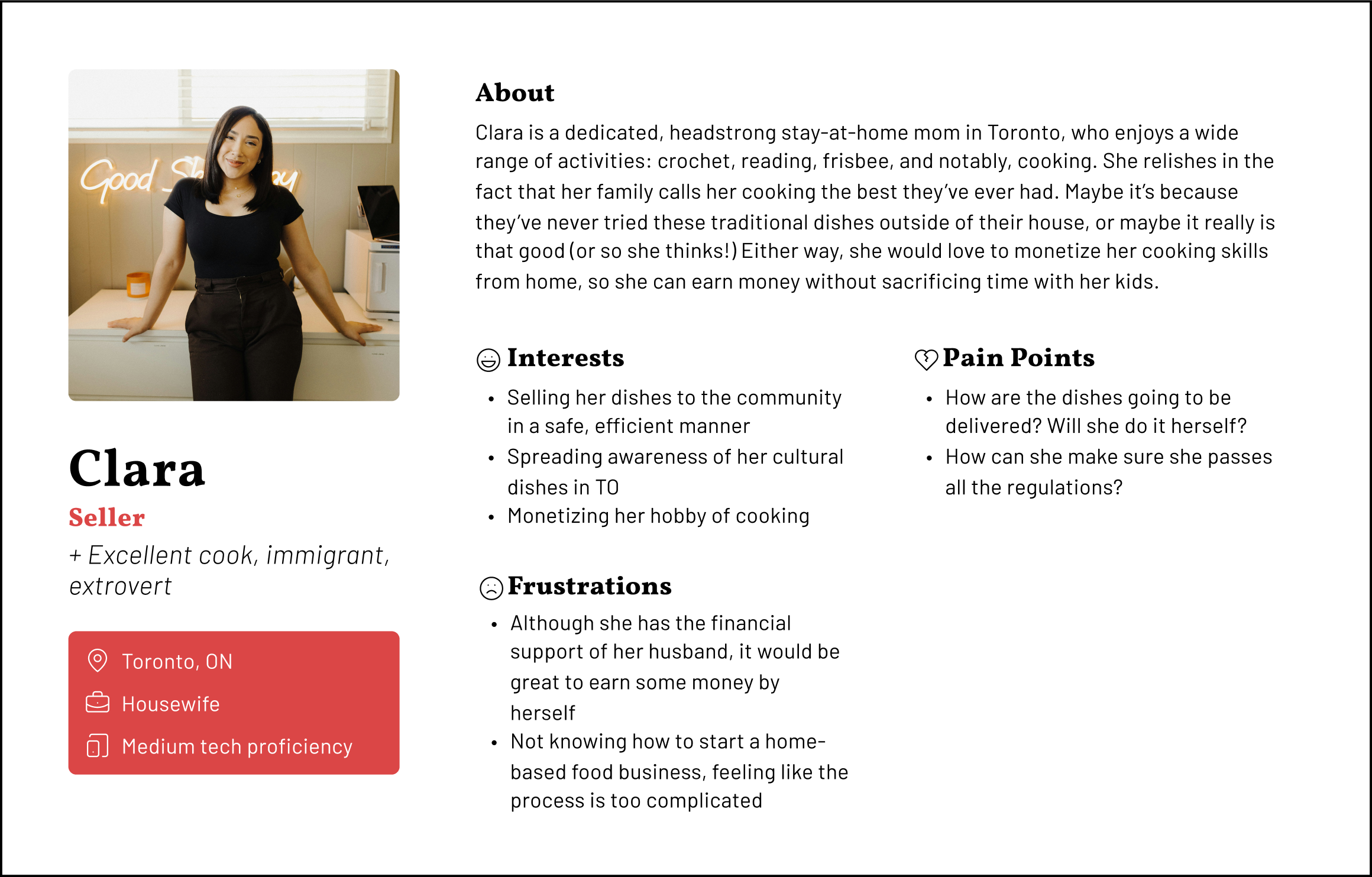
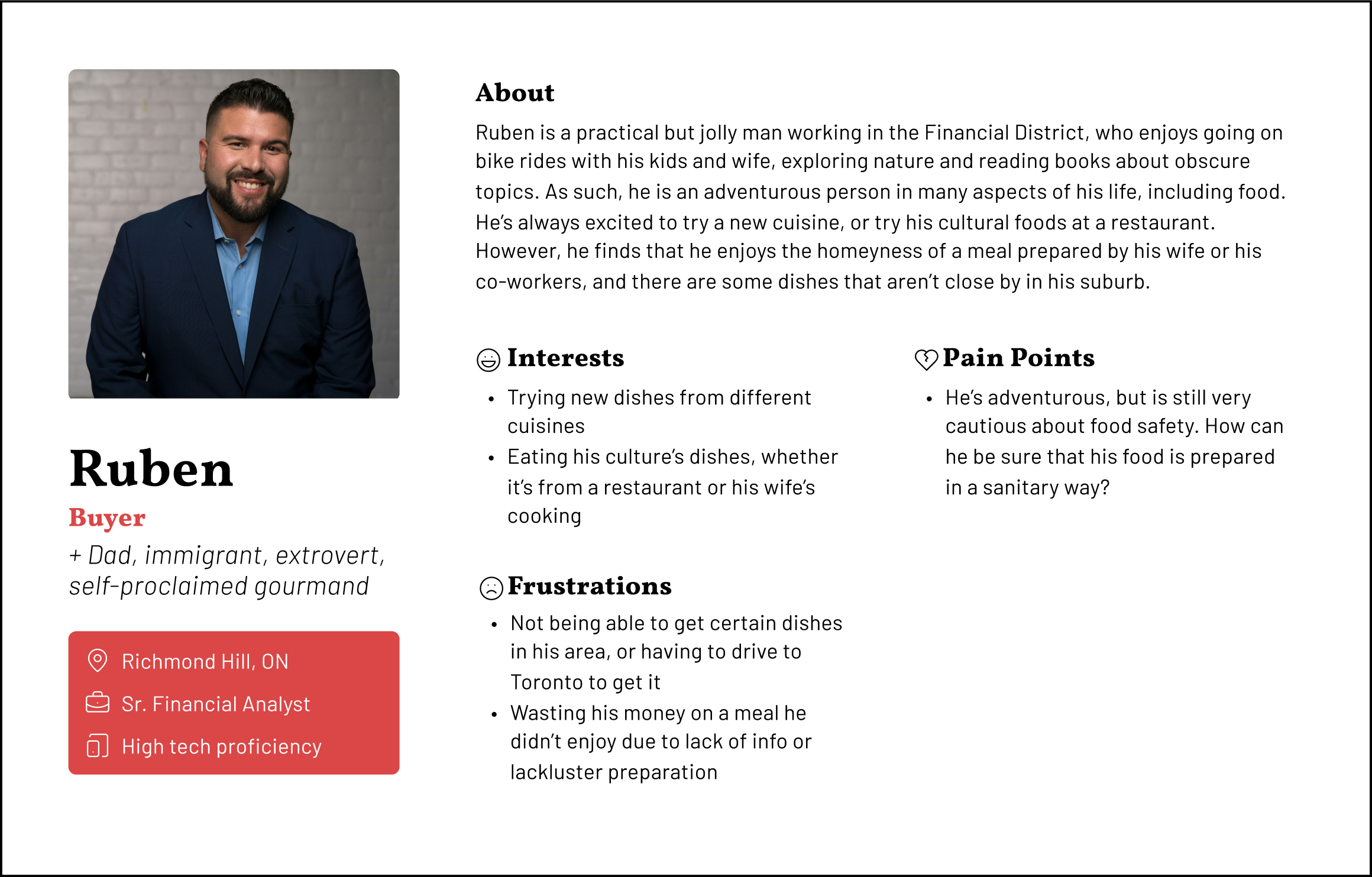
Based on all of the research gathered, I compiled a list of features that the application would need in order to function and provide the desired experience for users.

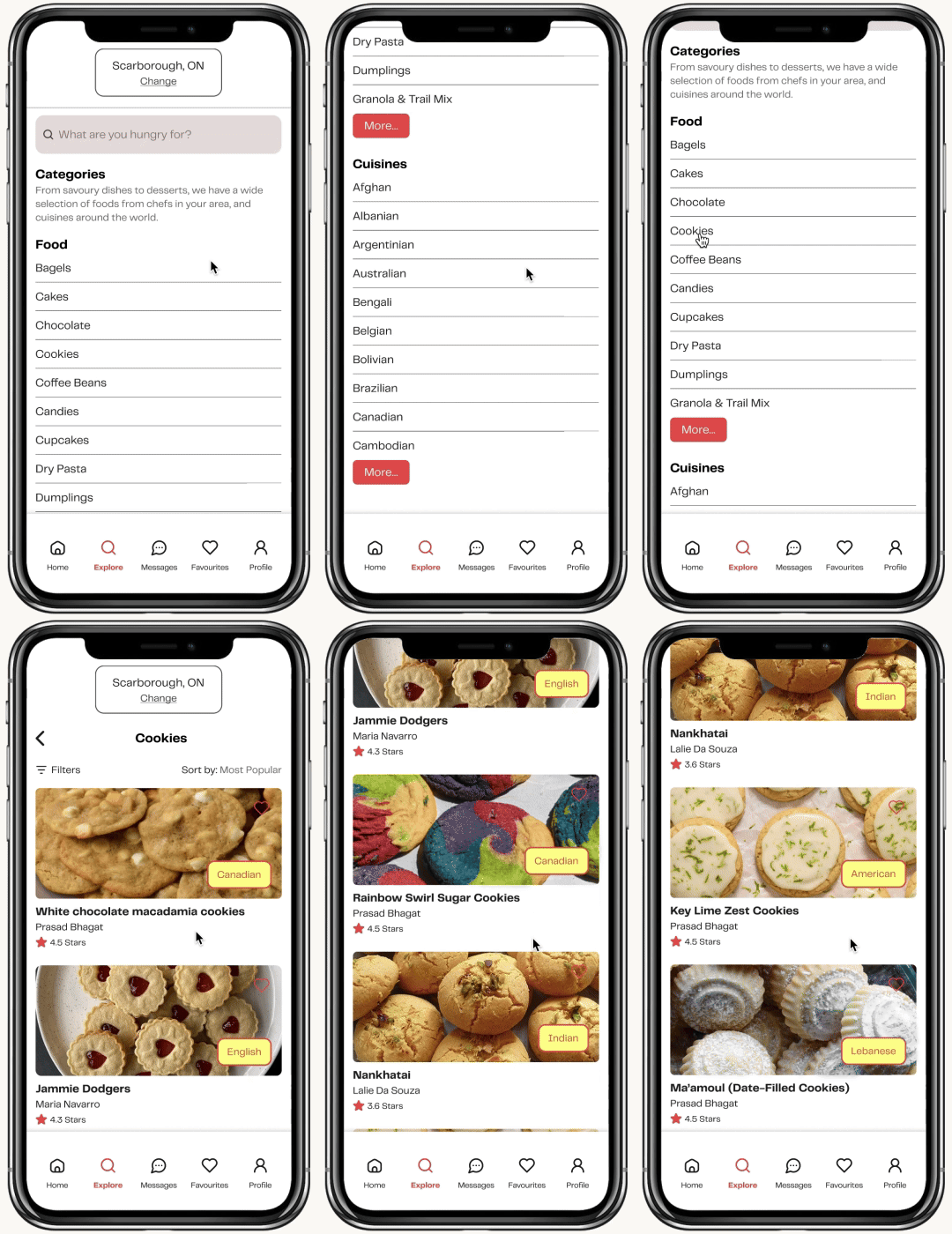
Exploring products from local chefs

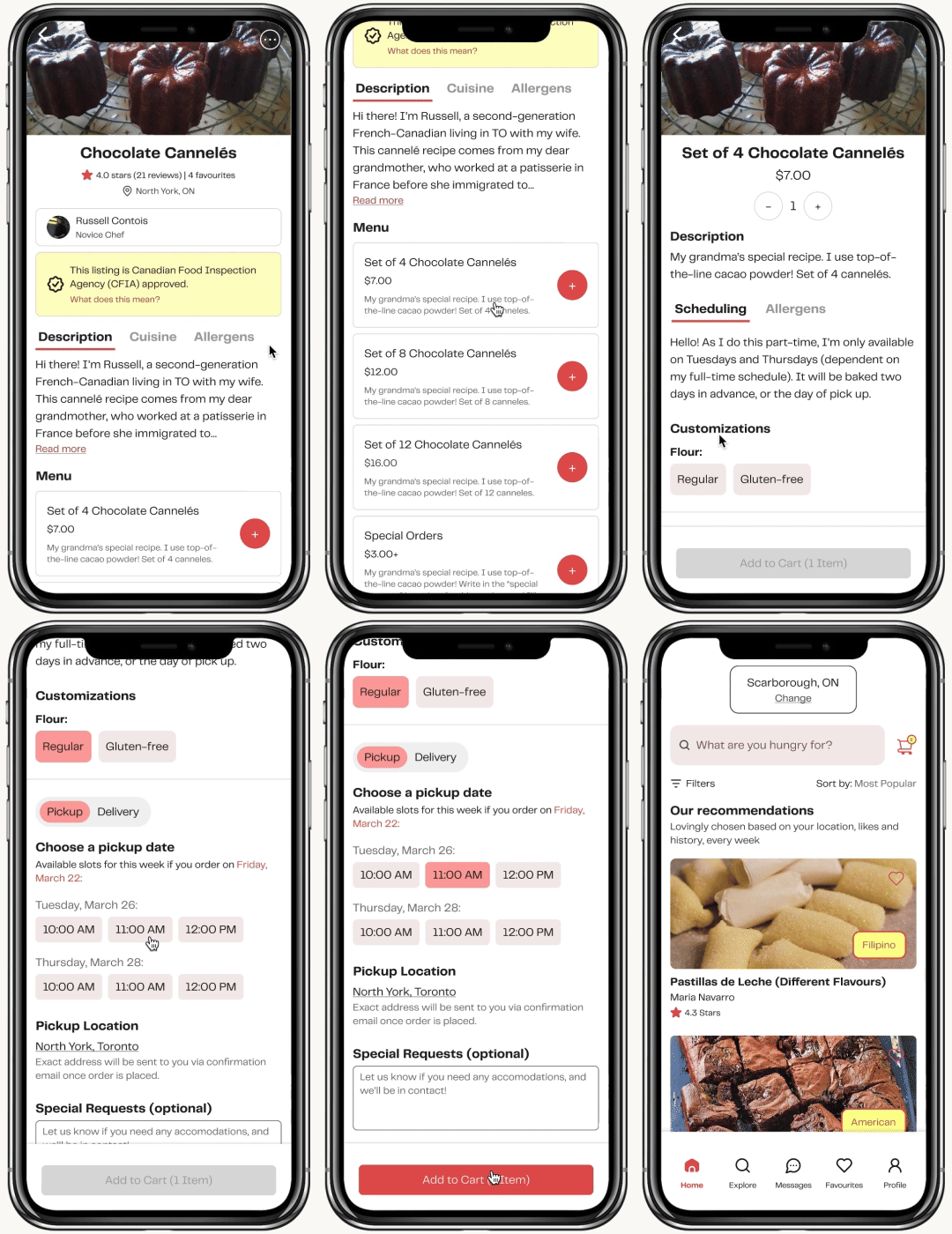
Purchasing of goods

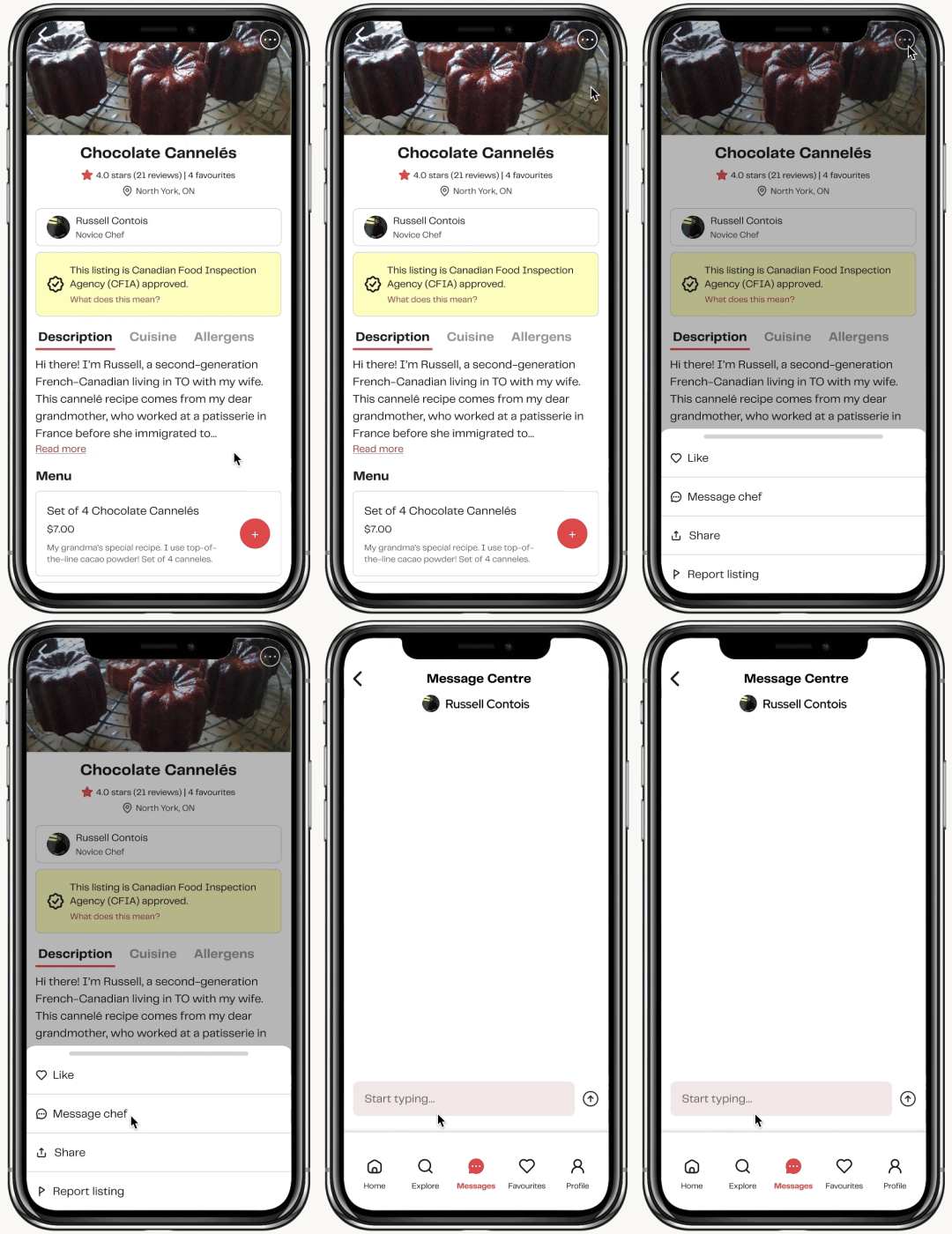
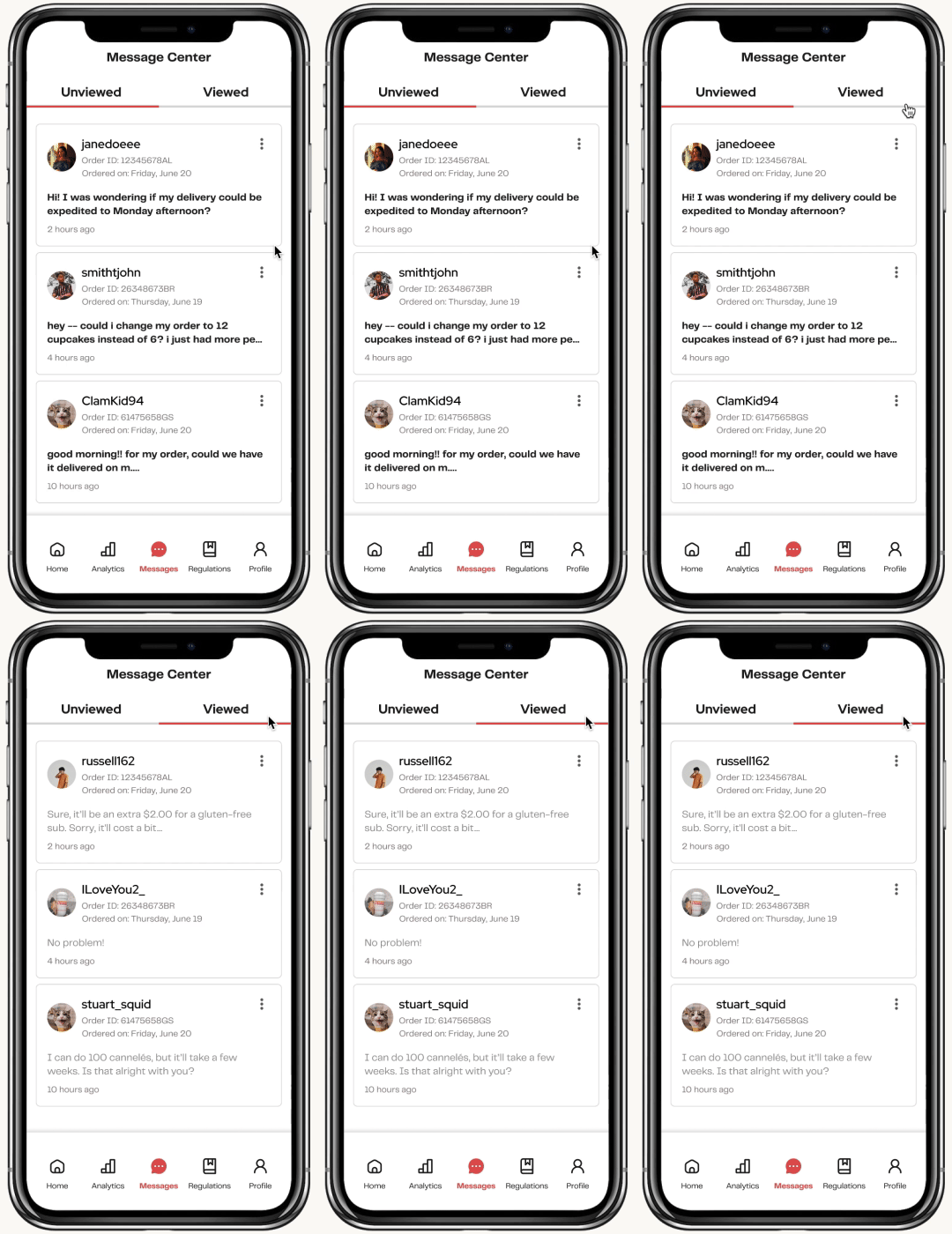
Arranging hand-off of goods (Communications)

See the regulations and precautions taken by the chefs

Creating a profile
Listing products for sale
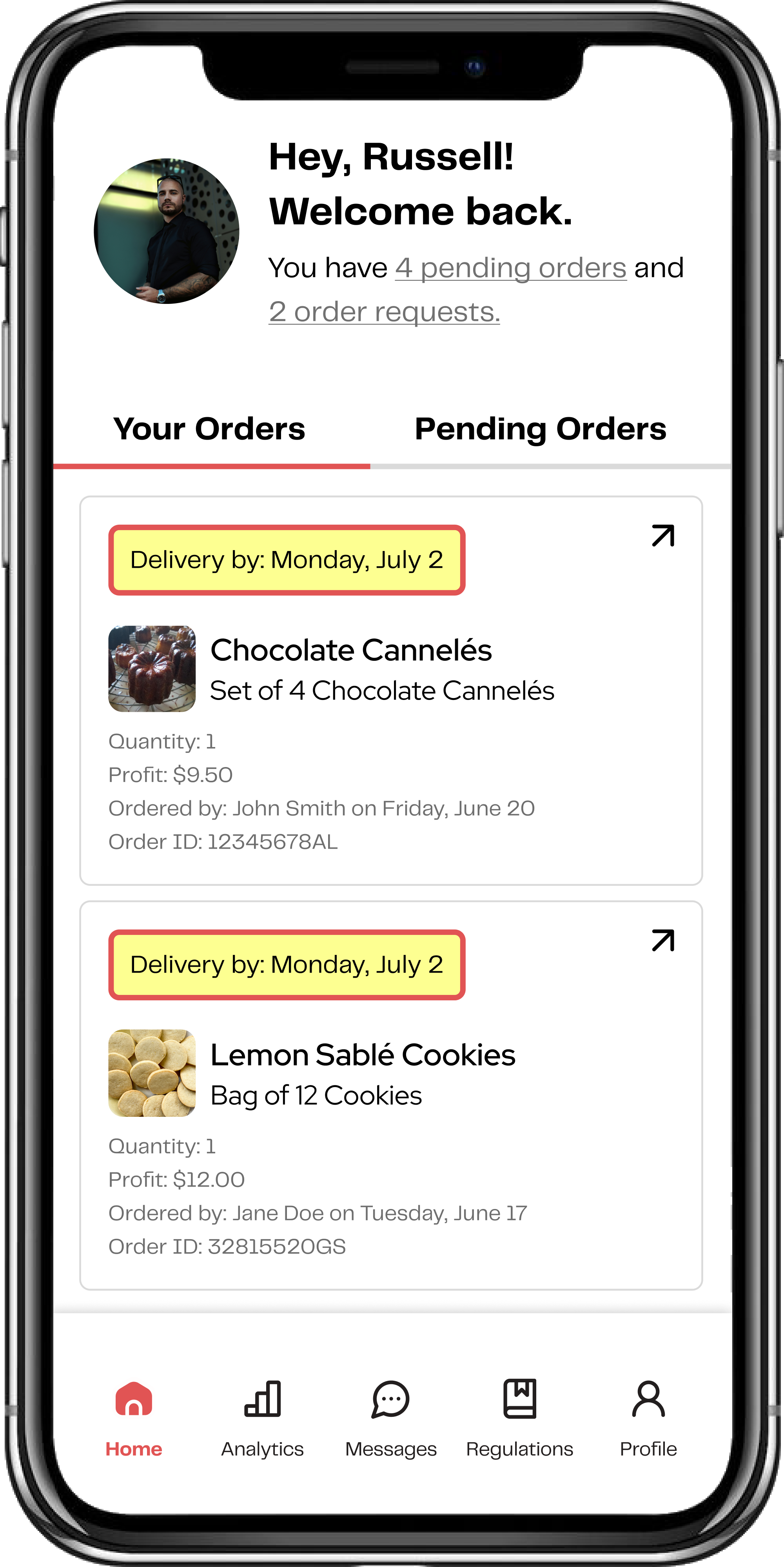
Receiving orders from buyers
Arranging hand-off of goods (Communications)
Understanding regulations and precaution for food sales (Onboarding)
Creating a profile
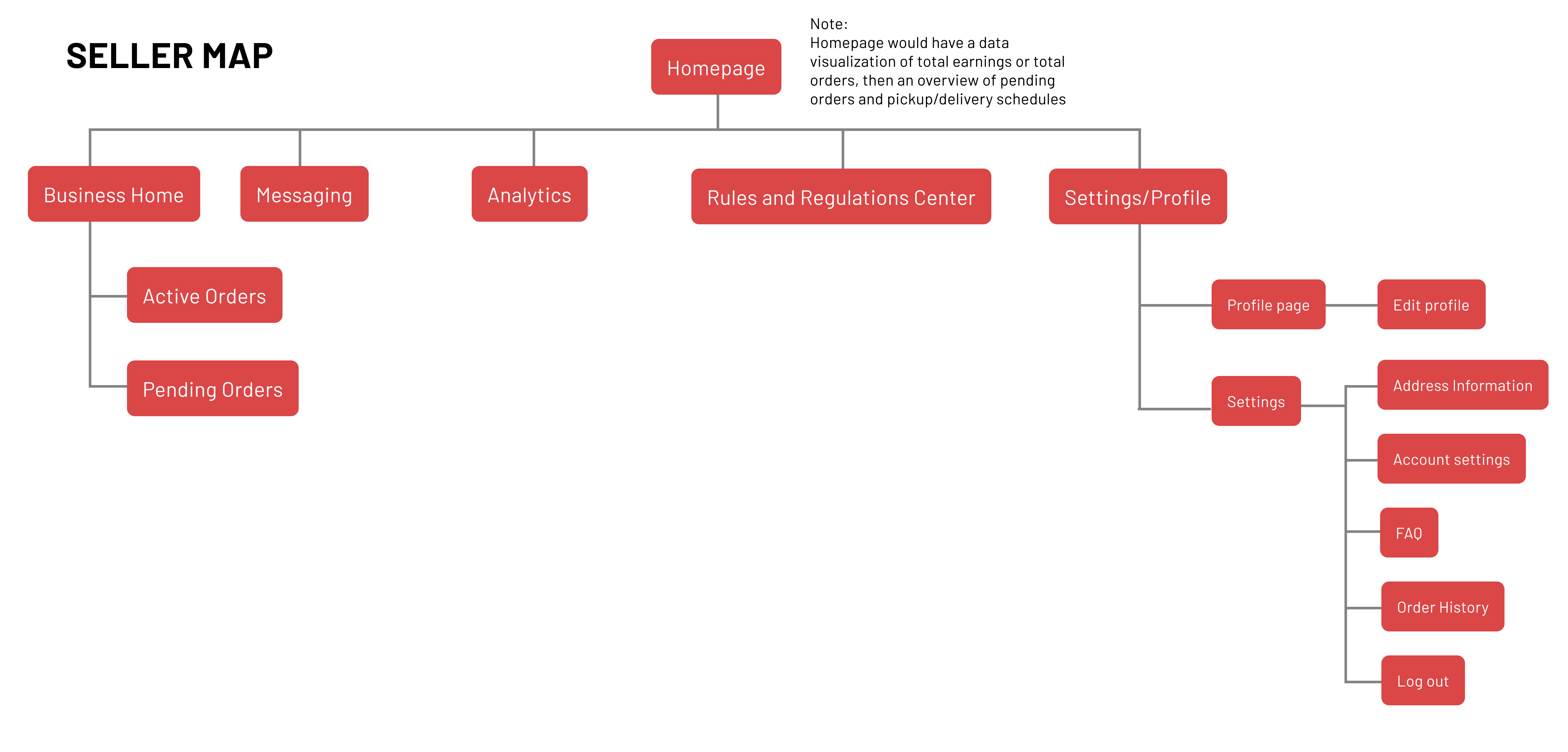
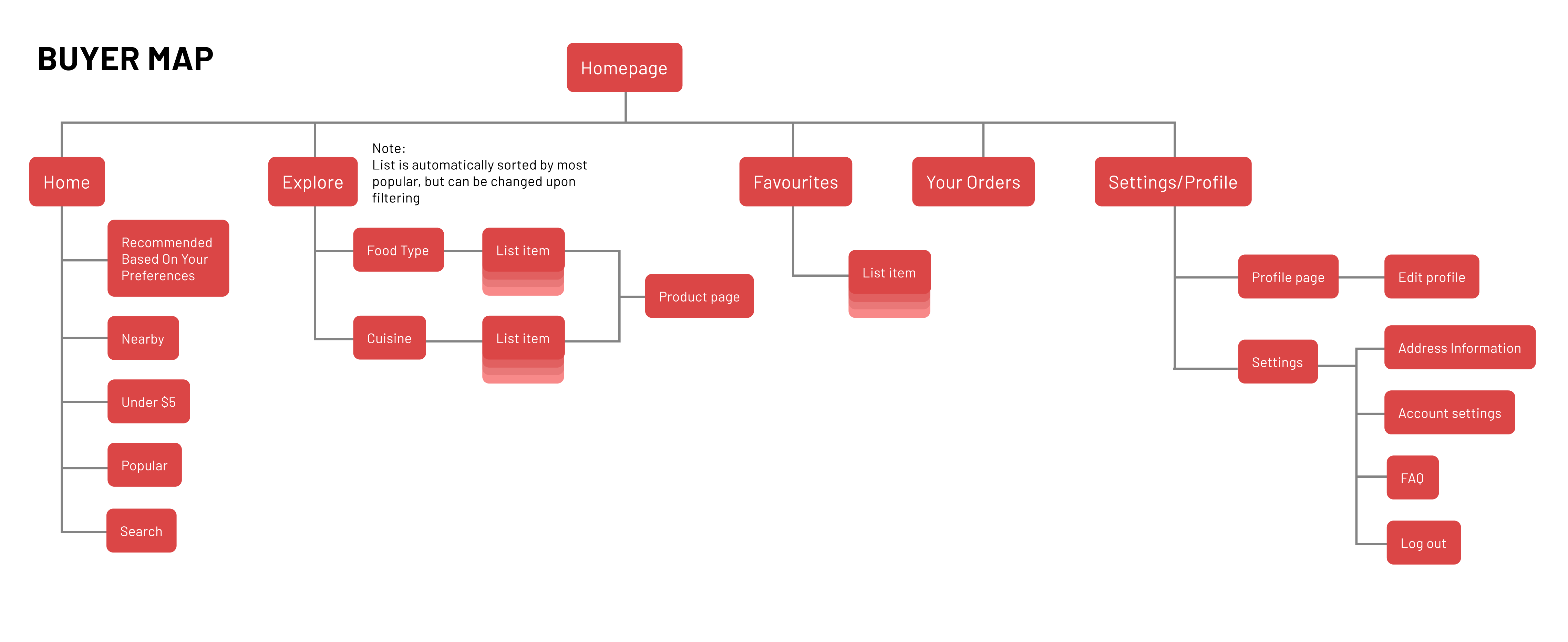
I created an IA map to further define the user experience for both sides.
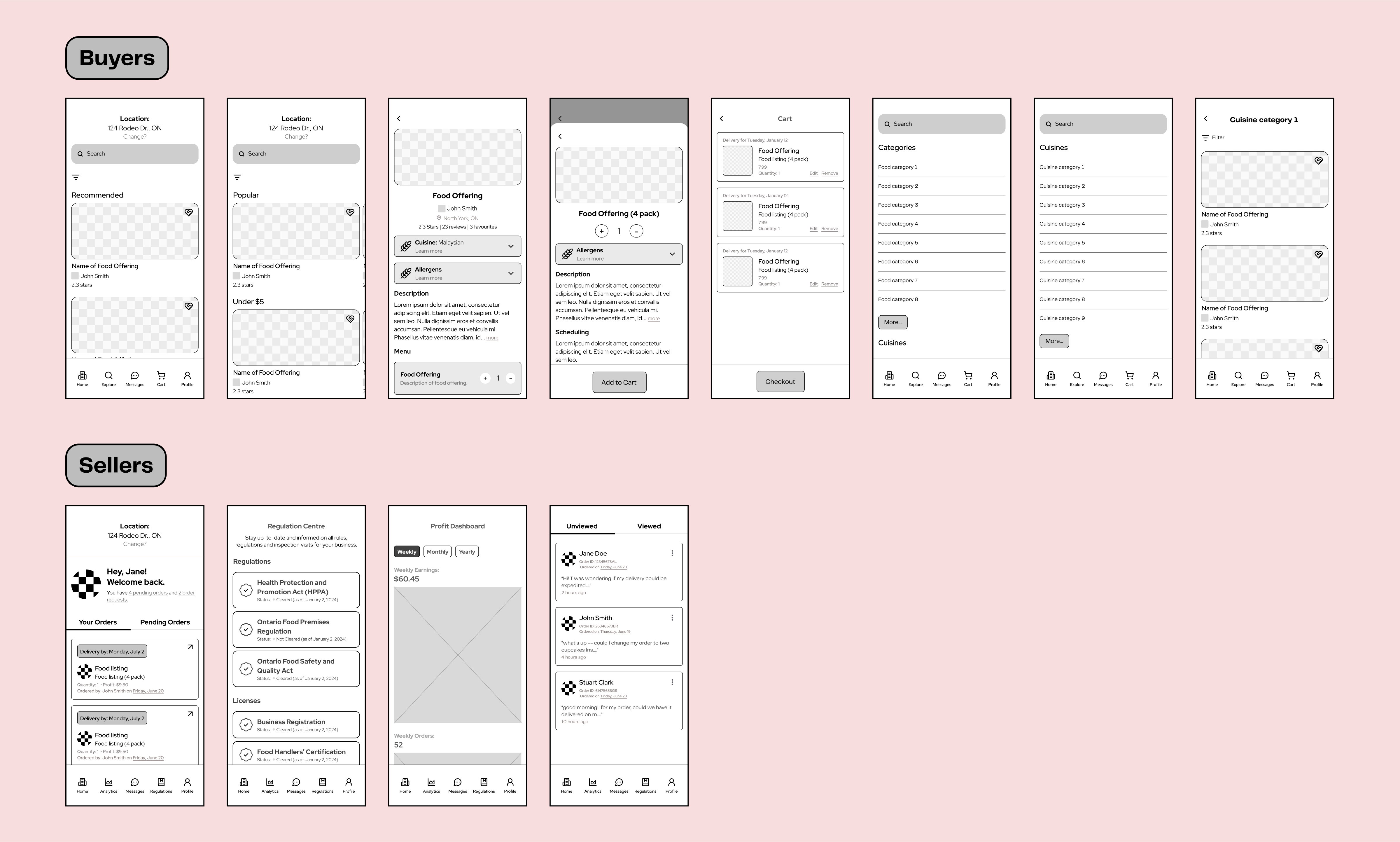
This was a fun project, because 1) its basis came from a place close to my heart, 2) it gave me an opportunity to look at diverse cultural food (yes, I did go down rabbit holes and looked at a lot of mouth-watering recipes), and 3) food as a subject could never be dull!
I learned to design with the target user in mind, even if precedents don’t have certain features. Many similar apps/competitors like UberEats and DoorDash service brick-and-mortar businesses, which have more resources than a home-based business.
Conversely, I learned how to make concessions on certain features I thought would add more “joy”, for the sake of usability and simplicity.

